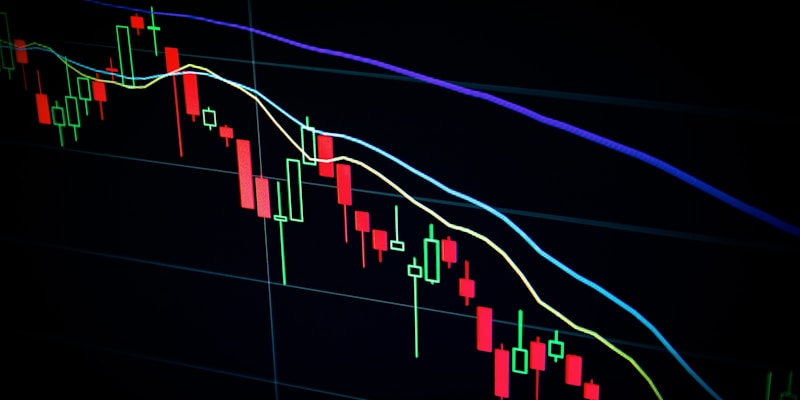
The breakthrough truce between Israel and Hamas marks a critical turning point in a prolonged and devastating conflict. While the agreement offers hope for humanitarian relief and regional stability, its long-term durability remains uncertain. From a market standpoint, easing geopolitical tensions could help lower risk premiums, especially in energy and defense sectors, offering a potential tailwind for global investors.
The Breakthrough Agreement
Israel and Hamas have confirmed a breakthrough agreement for a truce and the release of all hostages held captive in Gaza. The ceasefire represents a pivotal development in a war that has dragged on for two years, leaving the Palestinian territory in ruins, destabilizing the region, and fueling global unrest.
Key Terms of the Agreement:
- Release of nearly 2,000 Palestinian prisoners by Israel
- Significant increase in humanitarian aid to Gaza through UN agencies and international organizations
- Gradual pullback of Israeli military forces to a buffer zone inside Gaza's border
- Release of all hostages held in Gaza
The Path to Peace
The deal was reached after days of indirect negotiations in Egypt, with mediation from the U.S., Egypt, Qatar, and Turkey. This multi-lateral diplomatic effort demonstrates the international community's commitment to ending the conflict and stabilizing the region.
Market Implications
From an investment perspective, the truce could ease geopolitical risk premiums across global markets, particularly in the energy and defense sectors. Let's examine the potential impacts:
Energy Markets:
- Oil Price Volatility: Reduced Middle East tensions typically lead to lower oil price risk premiums
- Supply Chain Stability: Improved regional stability benefits energy transportation routes
- Investment Flows: Potential increase in energy infrastructure investment in the region
Defense Sector:
- Defense Stocks: Potential near-term pressure on defense contractors heavily exposed to the conflict
- Long-term Outlook: Continued regional security needs suggest sustained defense spending
- Technology Transfer: Opportunities for defense technology cooperation in peacetime
Regional Investment Opportunities:
- Reconstruction: Massive rebuilding needs in Gaza create infrastructure investment opportunities
- Trade Routes: Improved regional stability benefits Mediterranean and Red Sea commerce
- Tourism: Potential recovery in regional tourism sectors
Risks and Uncertainties
While the truce marks a meaningful step toward what many hope will be lasting peace between Israel and the broader Arab world, the durability of the ceasefire remains uncertain. Several factors could impact the agreement's longevity:
- Implementation Challenges: Complex logistics of prisoner releases and aid distribution
- Political Pressures: Domestic political considerations on both sides
- Extremist Elements: Potential spoiler groups opposed to peace
- Regional Dynamics: Influence of other Middle Eastern actors
Investment Strategy Considerations
For investors looking to position portfolios in light of this development, consider the following approaches:
Near-term Opportunities:
- Reduced hedging costs for Middle East exposure
- Potential entry points in oversold regional assets
- Opportunities in humanitarian and reconstruction-related sectors
Long-term Positioning:
- Gradual increase in regional equity exposure as stability improves
- Infrastructure and development project investments
- Technology and innovation sectors benefiting from regional cooperation
Conclusion
The Israel-Hamas truce represents a significant geopolitical development with far-reaching implications for global markets. While the immediate impact may be a reduction in risk premiums, particularly in energy markets, the long-term investment implications will depend heavily on the durability of the peace agreement.
Investors should monitor the implementation of the agreement closely, watching for signs of sustainable peace or potential breakdown. As always in geopolitically sensitive regions, maintaining a balanced and diversified approach while staying informed of developments is crucial for successful long-term investment outcomes.